When people hear dental implant, they usually picture a full-sized titanium post. But there’s another option that’s smaller, faster, and often more affordable. Mini dental implants might be the right choice for patients who don’t qualify for traditional ones. Here’s what you need to know about this tooth-replacement solution.
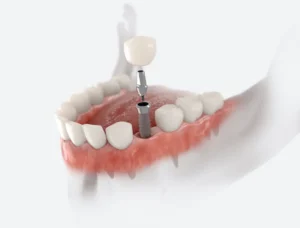
What Exactly Are Mini Dental Implants?
Mini dental implants are narrower versions of traditional implants, typically less than 3 millimeters in diameter, about the width of a toothpick. Like standard implants, they’re made from medical-grade titanium, which fuses with your jawbone over time. But their smaller size makes them a better fit for certain situations.
They’re often used to stabilize lower dentures or replace small teeth. The placement process is also less invasive, which means quicker healing and less discomfort for many patients.
How Do They Compare to Traditional Implants?
Traditional implants are about 3.5 to 5 millimeters wide and require sufficient jawbone density for placement. If you’ve lost bone density over time, you might not be a candidate without a bone graft first. That adds time, cost, and an extra surgical procedure.
Mini implants skip that step. Their smaller size means they can often be placed without bone grafting, even when bone volume is reduced. The procedure also typically takes just one appointment, rather than the several months required for traditional implants.
Who’s a Good Candidate?
Mini implants aren’t right for everyone, but they’re excellent for certain situations. Patients who have experienced significant bone loss in their jaw are often good candidates. They’re also a great option for people who want to stabilize loose dentures without major surgery.
If you’re missing a small tooth with limited space, mini implants can fill that gap without affecting neighboring teeth. Dr. Lutz will evaluate your specific case and recommend the best approach.
The Procedure: What to Expect
The placement process is straightforward and usually completed in one visit. Dr. Lutz numbs the area, makes a small pilot hole, and gently places the mini implant. Because the implant is narrow, there’s often no need for incisions or stitches.
In many cases, the restoration, like a crown or denture attachment, can be placed the same day. That means you could leave the office with a functional tooth, not a waiting period.
Benefits of Mini Implants
The advantages go beyond just avoiding bone grafts. The procedure is less invasive, which means less swelling and discomfort afterward. Many patients also find them more affordable than traditional implants.
Recovery time is shorter too. Most people return to their normal diet within a few days. Plus, the stability they provide for dentures can be life-changing. No more slipping or clicking while eating or speaking.
Potential Drawbacks to Consider
Mini implants aren’t designed for every situation. They’re not as strong as traditional implants, so they’re usually not recommended for replacing large molars that handle heavy chewing forces. Long-term success rates are slightly lower for mini implants compared to standard ones.
That said, with proper care and maintenance, they can last many years. Good oral hygiene and regular checkups are essential.
Are Mini Implants Right for You?
The best way to find out is with a consultation. Dr. Lutz will examine your mouth, review your dental history, and discuss your goals. If mini implants make sense, they’ll explain the process and answer any questions.
If not, there are other options. Traditional implants, bridges, or implant-supported dentures might be a better fit. The team will help you weigh the pros and cons based on your unique situation.
Restore Your Smile Today
Mini dental implants offer a quicker, less invasive path to replacing missing teeth. They’re not the answer for every case, but for many patients, they’re a game-changer. If you’ve been told you don’t have enough bone for traditional implants, don’t give up hope. A smaller solution might be exactly what you need.
Curious if mini implants could work for you? Call our Northeast Philadelphia office to schedule a consultation.